What is Clean Energy Solutions and How Can They Transform Our Future?
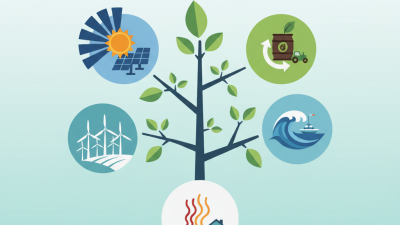
Clean energy solutions are gaining critical acclaim as the world grapples with climate change. These innovative approaches promise to reduce reliance on fossil fuels. Solar, wind, and hydropower are at the forefront of this shift. Many experts believe that embracing these solutions can lead to a sustainable future.
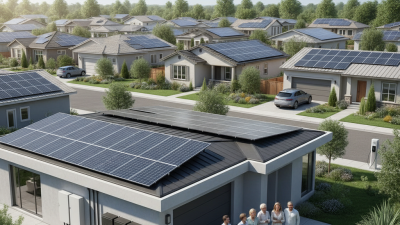
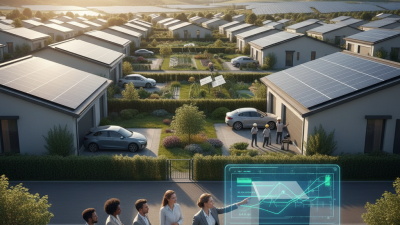
Recent developments show that transitioning to clean energy can create jobs and stimulate economic growth. However, challenges remain. The technology must be accessible and affordable for all communities. Implementation can be uneven, sometimes leaving vulnerable populations behind.
Despite the obstacles, the advantages of clean energy solutions are clear. They can lower greenhouse gas emissions and improve air quality. As we explore various pathways for transformation, we must also address the barriers to widespread adoption. It requires collaboration between policymakers, businesses, and individuals. Only then can we truly realize the potential of clean energy to reshape our future.
Definition of Clean Energy Solutions and Their Key Components
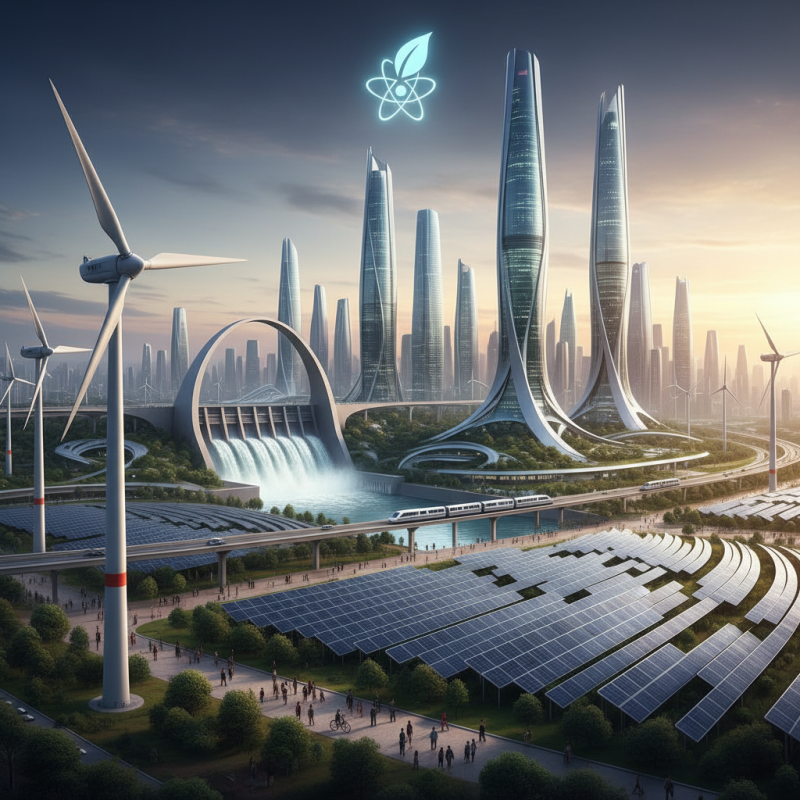
Clean energy solutions are essential in today's world. They encompass various technologies aimed at reducing pollution while meeting energy needs. These solutions include solar, wind, hydroelectric, and geothermal energy sources. Each component plays a unique role in creating a sustainable future.
Solar energy utilizes sunlight to generate power. It involves solar panels and photovoltaic systems. Wind energy harnesses natural winds using turbines. These technologies are becoming more efficient yet still face challenges in cost and implementation. Hydroelectric energy relies on water flow to produce electricity, while geothermal taps into the Earth's heat.
Key components of clean energy solutions also include energy storage, such as batteries. These store energy for later use, improving reliability. Smart grid technology enhances the efficiency of energy distribution. However, transitioning to these solutions isn't without obstacles. Infrastructure upgrades and community acceptance are critical. Addressing these issues requires shared knowledge and collaboration among experts and communities.
Current Global Clean Energy Statistics and Market Trends
The clean energy sector is rapidly evolving. According to the International Energy Agency (IEA), renewable energy sources represented
29% of global electricity generation in 2020. This number is projected to exceed
50% by 2030. Solar and wind energy lead the charge, with solar capacity growing by over
20% annually. Such growth illustrates a significant shift towards sustainable alternatives.
While these statistics are promising, challenges persist. The Energy Information Administration (EIA) reported that fossil fuels still accounted for about
80% of global energy consumption in 2021. Transitioning to cleaner solutions requires considerable
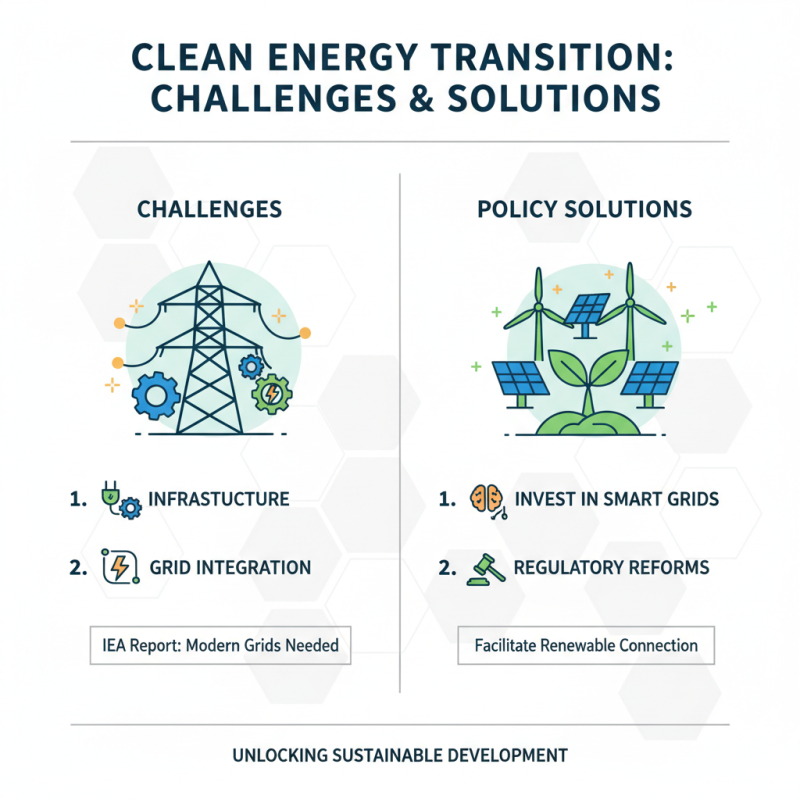
investments and infrastructural changes. The lack of consistent policies can also hinder this transition.
Investment in clean energy has increased, reaching approximately
$500 billion in 2022. However, the transition does not happen without its limitations. Energy storage
technologies and grid improvements lag behind, creating a bottleneck effect. Moving forward, addressing these issues is crucial for
sustainable growth in the clean energy market.
Technological Innovations Driving Clean Energy Adoption
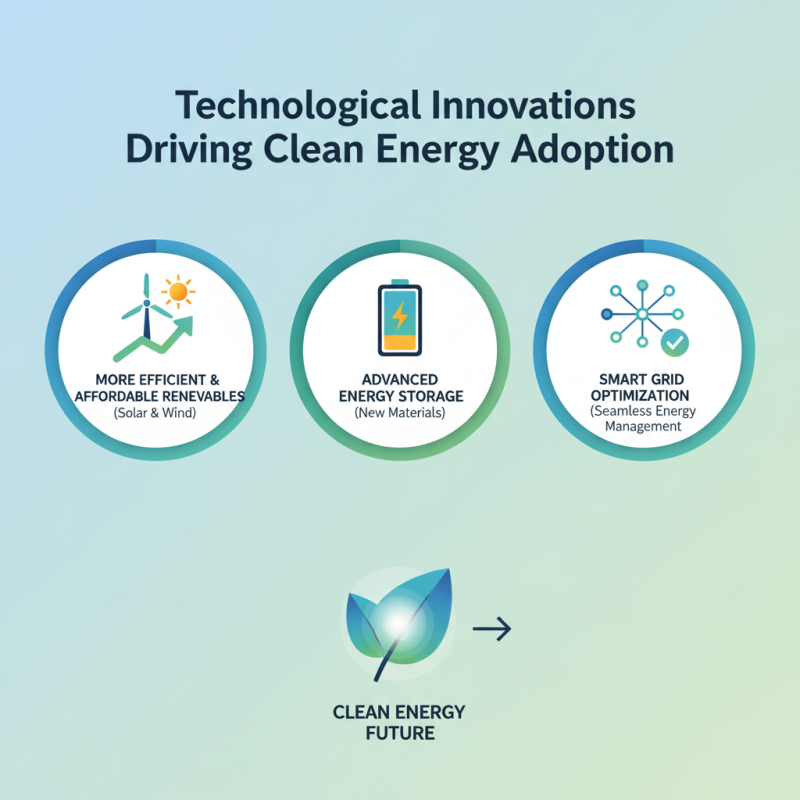
Technological innovations are reshaping the clean energy landscape. Renewable energy sources, such as solar and wind, have become more efficient and affordable. New materials are improving energy storage solutions, allowing for better utilization of energy when the sun isn't shining or the wind isn't blowing. Innovations in smart grids enhance energy management, ensuring that supply meets demand seamlessly.
Electric vehicles (EVs) are another critical focus. They reduce emissions and are becoming more accessible. Charging stations are growing in number, making EV adoption easier for many. However, challenges remain. Charging infrastructure still lacks in rural areas. Not all consumers are ready to transition from traditional vehicles.
Emerging technologies like carbon capture are gaining attention too. They aim to mitigate the effects of fossil fuels, but their implementation isn't without debate. Questions arise about cost-effectiveness and scalability. Public acceptance varies, reflecting a broader hesitation toward rapid change. As we navigate this complex transition, ongoing dialogue is essential for progress.
Environmental and Economic Benefits of Clean Energy Transition
The transition to clean energy solutions offers significant environmental and economic benefits. According to a report from the International Renewable Energy Agency, renewable energy could create 24 million jobs globally by 2030. This shift not only addresses climate change but also strengthens local economies. Communities investing in solar and wind energy often see an increase in job opportunities and a reduction in energy costs.
Moreover, clean energy sources tend to minimize air pollution. The American Lung Association noted that moving towards renewable energy could prevent thousands of premature deaths each year. These health benefits translate into reduced healthcare costs. However, not all regions will adapt at the same pace. Areas dependent on fossil fuels face economic challenges during this transition.
Investments in clean energy can also enhance energy security. By diversifying energy sources, countries can reduce their vulnerability to fluctuating fuel prices. The International Energy Agency predicts that clean energy technology investments could reach over $4 trillion annually by 2030. Yet, the challenge lies in balancing growth and sustainability. Effective policies are crucial to ensure that the transition benefits everyone, especially marginalized communities.
What is Clean Energy Solutions and How Can They Transform Our Future?
| Dimension |
Description |
Environmental Benefits |
Economic Benefits |
| Solar Energy |
Harnessing sunlight to generate electricity or heat. |
Reduces greenhouse gas emissions; minimizes air pollution. |
Low operating costs and job creation in installation and maintenance. |
| Wind Energy |
Using wind turbines to generate electricity. |
Significant reduction in carbon footprint; sustainable resource. |
Cost-effective energy production; substantial rural job opportunities. |
| Hydroelectric Power |
Energy generated from flowing or falling water. |
Low emissions; enhances water management and flood control. |
Stable electricity prices; investment in infrastructure development. |
| Geothermal Energy |
Utilizing the Earth’s internal heat for energy production. |
Very low greenhouse gas emissions; resource reliability. |
Reduction in the cost of energy over time; support for local economies. |
| Biomass Energy |
Using organic materials to produce energy. |
Reduces waste in landfills; lower carbon emissions compared to fossil fuels. |
Energy security and rural job creation through sustainable agriculture. |