Top 5 Sustainable Energy Solutions You Need to Know?
In a world increasingly aware of climate change, sustainable energy solutions have become essential. These innovations not only help reduce carbon emissions but also promise a cleaner future for generations. With the right approach, individuals and businesses can harness these energy sources effectively.
From solar power to wind energy, these solutions are gaining traction. They offer reliable alternatives to fossil fuels. Many communities are already reaping the benefits. They experience lower energy costs and improved air quality. Yet, the transition is not without challenges. Infrastructure needs upgrades, and technology continues to evolve.
Understanding these sustainable energy solutions is crucial. It requires knowledge and mindfulness about our choices. We must consider both their potential and limitations. Balancing efficiency with environmental responsibility is key. We can pave the way for a more sustainable planet through informed decisions and active participation.
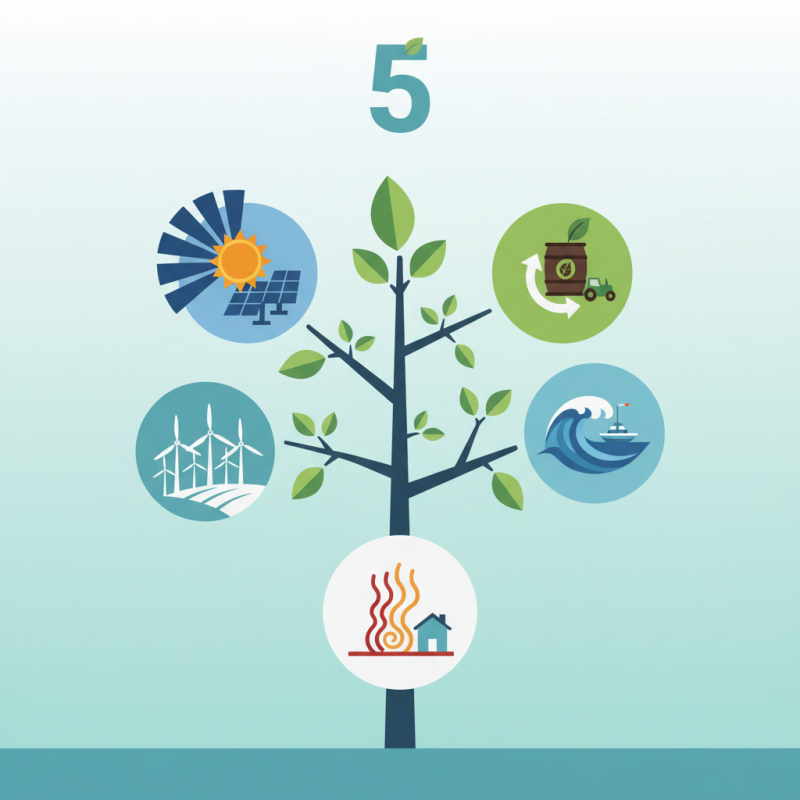
5 Key Renewable Energy Sources Driving Global Sustainability Initiatives
As the world faces climate change, renewable energy sources become crucial. Solar power is leading the charge, with photovoltaic cells harnessing sunlight. These systems can be installed on rooftops or in large solar farms. However, their initial costs can be a barrier for many. Communities need financial incentives to adopt solar more widely.
Wind energy is another vital player. Turbines convert wind into electricity efficiently. Offshore wind farms show promise, generating significant power. Yet, the impact on marine life is a concern. Careful planning is essential to minimize ecological harm.
Hydropower provides a reliable energy source. Dams store water, releasing it to generate electricity. While effective, large dams can displace communities and disrupt ecosystems. Innovative technologies like run-of-river systems offer alternatives but might not meet all energy demands. The balance between energy needs and environmental preservation remains a challenge.
Impact of Solar Energy on Reducing Carbon Footprint and Energy Costs
Solar energy has emerged as a leading solution in the fight against climate change. In recent years, it has drastically reduced carbon footprints for homes and businesses. Research indicates that solar power can decrease carbon emissions by over 80% when compared to traditional energy sources. This significant reduction plays a crucial role in mitigating greenhouse gas emissions, which are major contributors to global warming.
Additionally, solar energy leads to notable cost savings. According to the U.S. Department of Energy, households with solar panels can save an average of $20,000 over 20 years on energy bills. This economic benefit is especially relevant as energy prices fluctuate. In fact, states that have embraced solar energy are reporting lower electricity rates. However, the initial investment for solar systems may still deter some consumers.
Despite its advantages, the solar energy sector is not without challenges. Intermittent energy production during cloudy days or nighttime raises concerns about reliability. The efficiency of solar panels also varies based on geographic location. Addressing these hurdles requires continuous innovation and investment. Overall, while solar energy is a path toward sustainable living, it demands further reflection to maximize its potential.
Impact of Solar Energy on Reducing Carbon Footprint and Energy Costs
Advancements in Wind Power Technology: Efficiency and Capacity Growth
Wind power technology has seen remarkable advancements lately. These innovations focus on increasing efficiency and capacity. Modern turbines are larger and designed to capture more wind energy. This growth allows for greater energy production, meeting global energy demands sustainably. Research indicates that newer designs can produce 50% more electricity compared to older models.
Tips for maximizing wind energy include regularly inspecting turbines for maintenance. Efficiency can decline if equipment is not serviced. Additionally, consider the location of wind farms. Areas with consistent wind patterns yield better results. It's crucial to evaluate these factors for optimal energy generation.
Even with progress, challenges remain. Some regions still struggle with integrating wind energy into their grids. The intermittency of wind can lead to energy reliability issues. It's important to explore solutions that complement wind power. Identifying smart storage options can enhance overall effectiveness. Addressing these challenges will help harness wind energy's full potential.
Top 5 Sustainable Energy Solutions You Need to Know
| Technology |
Efficiency (%) |
Capacity Factor (%) |
Latest Advancements |
Projected Growth (2025) |
| Wind Power |
50-60 |
40 |
Larger turbines, better materials |
20% |
| Solar Power |
20-25 |
25 |
Bifacial modules, energy storage integration |
15% |
| Hydropower |
35-45 |
45 |
Small modular plants, improved turbine designs |
5% |
| Geothermal Energy |
10-20 |
70 |
Enhanced geothermal systems |
10% |
| Biomass Energy |
20-25 |
35 |
Advanced conversion technologies |
12% |
Role of Biomass in a Circular Economy and Its Environmental Benefits
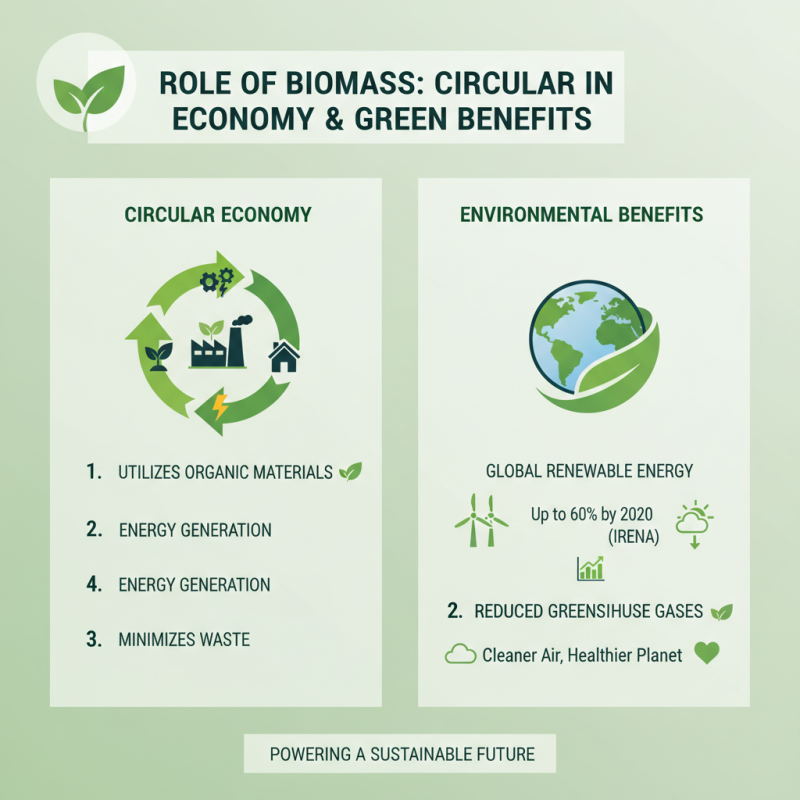
Biomass plays a crucial role in fostering a circular economy. It utilizes organic materials for energy while minimizing waste. According to the International Renewable Energy Agency, biomass could provide up to 60% of the world's renewable energy needs by 2030. This means a significant reduction in greenhouse gas emissions, contributing to a healthier planet.
The environmental benefits of biomass are substantial. A report by the Food and Agriculture Organization highlights that converting agricultural waste into energy can cut carbon emissions by 50-100%. However, the process requires careful management to avoid deforestation and overexploitation. Inappropriate biomass sourcing can undermine sustainability, raising important questions about resource allocation.
Local communities can benefit economically and environmentally from utilizing biomass. Jobs can be created in waste collection and energy production. Yet, this benefits only those areas where biomass is effectively managed. Success depends on education, policy, and technological advancements. It is essential to reflect on potential pitfalls while promoting biomass as a sustainable solution.
Hydropower: Balancing Energy Generation with Ecosystem Preservation
Hydropower is a powerful renewable energy source.
It generates electricity by using flowing water, often from rivers. Despite its benefits, there are challenges.
Balancing energy generation and ecosystem preservation is crucial.
Dams can disrupt fish habitats and alter water flow. This disruption may lead to a decline in local species.
In some regions, the construction of dams has caused significant ecological changes.
Fish populations might struggle to navigate new barriers. This effect raises concerns about the long-term health
of aquatic ecosystems. Adaptive management strategies are essential.
These could include fish ladders and seasonal water flow adjustments.
Moreover, hydropower projects can impact local communities.
Displacement and changes to land use are common issues. Engaging with affected populations is vital for
sustainable development. Collaboration among stakeholders can help find
common ground. The goal should be a harmonious relationship between energy needs and environmental conservation.