What is a Spray Booth and How Does it Work?
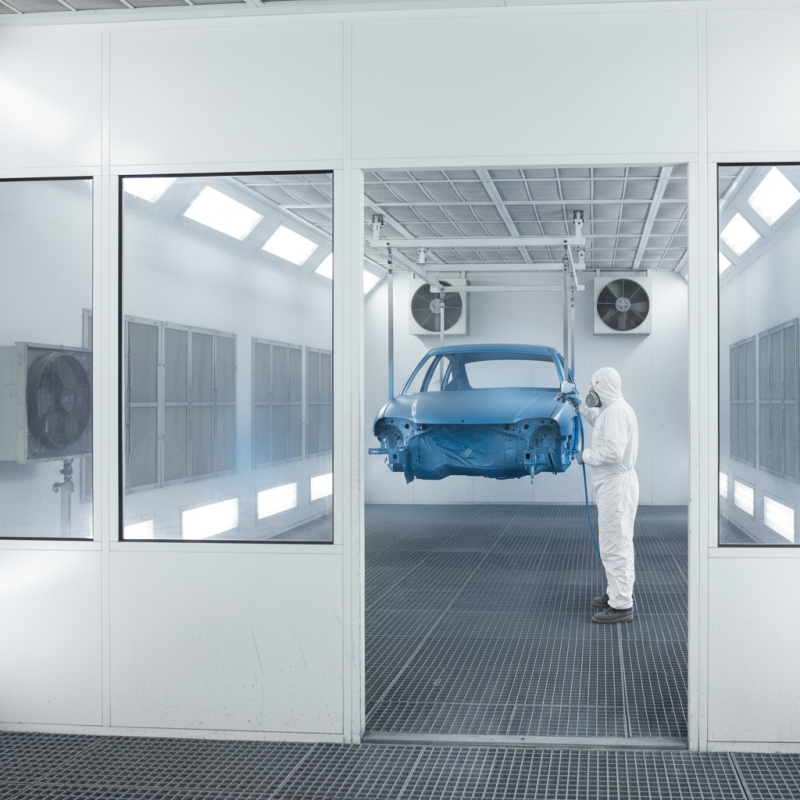
A Spray Booth is a controlled environment designed for painting and finishing objects. It ensures safety, efficiency, and quality. This specialized workspace aids in the application of coatings without contamination from dust or particles.
In a typical Spray Booth, airflow is carefully managed. Filters keep the air clean, while exhaust systems remove harmful fumes. Operators benefit from reduced overspray during the spray process. This results in less waste and a polished final product.
However, not all Spray Booths are created equal. Some may lack essential features, leading to safety hazards or uneven finishes. Operators need to choose wisely and adhere to safety protocols. A well-designed Spray Booth enhances not only the work quality but also worker safety. It is crucial to recognize these factors to maximize the benefits of using a Spray Booth in any project.
What is a Spray Booth?
A spray booth is a controlled environment designed for applying paint and coatings. Typically found in automotive, woodworking, and manufacturing industries, these booths help ensure a smooth application without dust or contaminants. The enclosed space allows for ventilation, which is crucial for dispersing fumes and maintaining air quality.
In a spray booth, products are painted using specialized equipment. This equipment atomizes paint into fine particles. These particles then evenly coat the surface of the item being painted. Proper lighting inside the booth enhances visibility, allowing the operator to achieve precision. It's vital to use filters to capture overspray and maintain a clean workspace.
However, setting up a spray booth requires careful planning. Space constraints can impact workflow. Not every spray booth is equipped with the same features. Some may lack advanced filtration or heating elements. This can lead to uneven finishes or longer drying times. Operators must remain vigilant about equipment maintenance to achieve consistent results.
The Purpose and Benefits of a Spray Booth
A spray booth is a controlled environment used for painting and coating. Its primary purpose is to ensure that the painting process is safe and efficient. Inside the booth, dust and contamination are minimized. This leads to higher-quality finishes and less need for touch-ups. Proper ventilation removes harmful vapors and particles, protecting both the worker and the environment.
One significant benefit of using a spray booth is improved safety. Many coatings contain volatile organic compounds, which can be hazardous. The booth’s design allows for proper air circulation, reducing the risk of inhalation. Moreover, the contained space prevents overspray. This helps maintain cleanliness in the surrounding area. However, not all booths are perfect. Some may still allow for overspray escape, necessitating regular monitoring and adjustments.
Efficiency is another critical aspect. A spray booth can enhance productivity by streamlining the painting process. It provides a dedicated space, reducing distractions. Yet, if not properly maintained, it can lead to problems. Dirty filters can cause airflow issues, impacting the quality of the paint application. Regular inspection is essential to keep the booth functioning optimally. This proactive approach can help avoid pitfalls associated with neglect.
Components of a Spray Booth and Their Functions
A spray booth is an enclosed space designed for various painting and finishing processes. It provides a controlled environment that reduces overspray and enhances safety. Key components of a spray booth include filtration systems, lighting, and exhaust fans.
Filtration systems help capture harmful particles from the air. They prevent contaminants from interfering with the paint job. There are different types of filters used, such as coarse and fine filters. Maintaining these filters is essential. Change them regularly to ensure optimal performance.
Lighting in a spray booth is vital. It allows the operator to see the surface clearly. Ideal lighting should minimize shadows and provide even brightness. This makes it easier to spot defects during spraying. Pay attention to the angle and intensity of the lights. Poor lighting can lead to overlooked inconsistencies.
Exhaust fans play a crucial role. They remove fumes and maintain air quality. A lack of proper ventilation can lead to buildup of harmful substances. This can affect both the workspace and the finished product. Regular inspection and maintenance of these fans is important for longevity.
**Tips:** Always have a maintenance schedule for the booth. Ensure your workspace is clean and organized. Check safety equipment regularly. Regularly assess your processes to identify areas for improvement.
Components of a Spray Booth and Their Functions
How a Spray Booth Operates: The Process Overview
A spray booth is crucial in various applications, especially in painting and finishing. Understanding how it operates can enhance both safety and efficiency. The process starts with preparing the surface, ensuring it is clean and free from contaminants. This step is vital. Any dust or grease can compromise the finish quality.
Once ready, the item is placed inside the booth. A controlled environment allows for optimal application of paint or coating.
Airflow is critical in a spray booth. Proper ventilation helps to disperse overspray and harmful fumes. This prevents buildup and maintains a safe working atmosphere. Workers should wear protective gear, even in a ventilated area. Regular checks on air filters and exhausts are necessary. They can get clogged and reduce effectiveness over time.
Finally, drying and curing happen within the booth. Utilizing the right temperature and humidity levels ensures a strong bond. Achieving perfect conditions takes practice and observation. Observing the curing process can reveal areas needing improvement. Adjusting the methods can yield better results. Thus, continual reflection on the process is essential for growth and success.
Safety Measures and Best Practices in Spray Booth Use
When using a spray booth, safety measures are crucial. Adequate ventilation is essential; it helps prevent the buildup of harmful fumes. Ensure exhaust fans are functional. Regular maintenance is necessary to keep these systems working efficiently. Wearing proper personal protective equipment is another key step. This includes gloves, masks, and protective eyewear. These items safeguard against overspray and harmful chemicals.
Fire hazards in spray booths are significant. Flammable materials must be stored safely, away from the spray area. An emergency response plan is vital. Powerful fans can blow sparks, so keep ignition sources distant. Regular training on equipment use and emergency procedures is also important.
Best practices extend beyond just safety. Proper cleaning routines prevent contamination. It’s common for operators to overlook cleaning. Rinsing out spray guns or nozzles diligently reduces color mixing. Monitoring air quality can be an afterthought, yet it’s critical. Regular checks help maintain a healthy environment. Balancing safety and efficiency in spray booths is a continuous process.
What is a Spray Booth and How Does it Work? - Safety Measures and Best Practices in Spray Booth Use
| Feature | Description | Safety Measures | Best Practices |
| Functionality | Enclosed area for painting and finishing works | Proper ventilation systems to reduce fumes | Regular maintenance of equipment |
| Types | Downdraft, Crossdraft, and Side-draft booths | Use of personal protective equipment (PPE) | Training operators on best practices |
| Materials Used | Solvent-based and water-based paints | Fire safety measures including extinguishers | Ensuring good housekeeping in the booth |
| Airflow System | Designed to manage air pressure and flow | Regular inspection of air filters | Follow manufacturer guidelines for airflow |
| Regulatory Compliance | Must meet local and national safety standards | Documentation of safety protocols | Updating safety plans regularly |