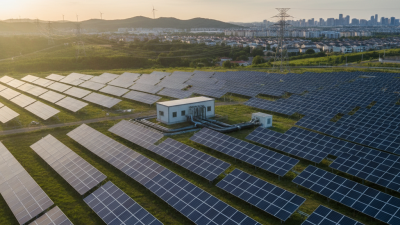
10 Tips for Successful Solar Energy Adoption

10 Tips for Successful Solar Energy Adoption

Solar energy adoption is no longer limited to experimental homes or large commercial buildings. Across many regions, households are examining rooftop panels, battery storage, and changing electricity habits. Yet a successful transition involves more than buying equipment. It requires careful planning, trustworthy information, and realistic expectations about sunlight, costs, maintenance, and local grid rules. A roof may look ideal from the street, but shade from a nearby tree can reduce production during valuable afternoon hours. Small details matter.

This guide, “10 Tips for Successful Solar Energy Adoption,” focuses on decisions that homeowners and business managers can verify. It considers energy audits, installer credentials, panel warranties, financing terms, and safety inspections. Readers will also see why comparing several written proposals is wiser than accepting the first attractive estimate. Professional installers should explain system size, expected output, degradation, and connection requirements in plain language. Independent sources, utility guidance, and local permitting offices can strengthen that advice. Ask questions.

Solar projects do not always perform exactly as projected. Weather changes, delayed approvals, inverter faults, or underestimated demand can challenge even careful plans. That is not failure; it is a reason to monitor results and revise assumptions. A monthly review of meter data, bills, and battery performance can reveal problems early. The strongest decisions balance environmental goals with household budgets and long-term reliability. These tips offer a practical starting point, while reminding every reader to check current local requirements before committing money.
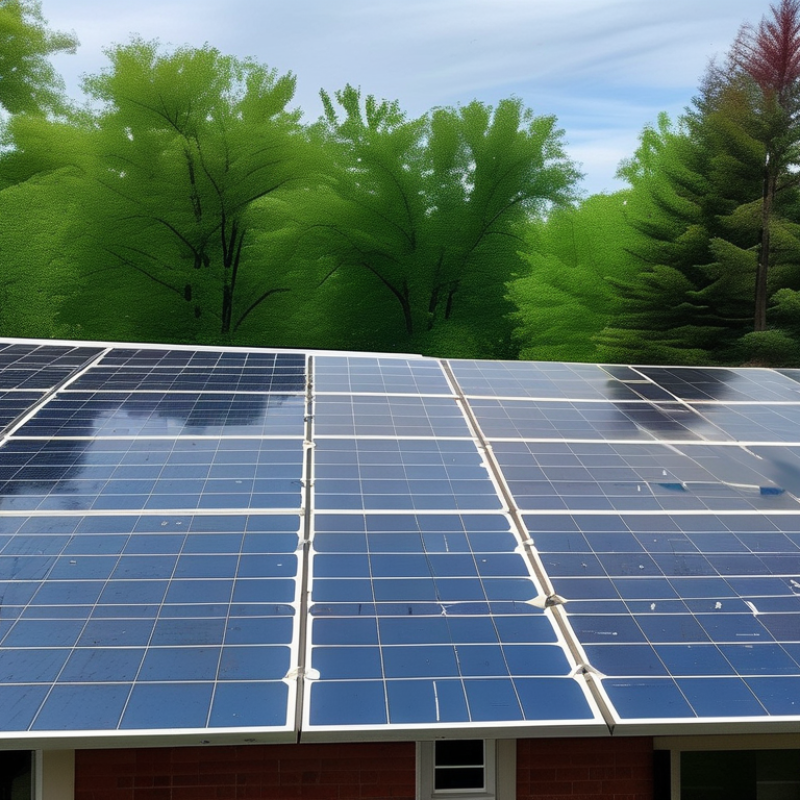
10 Tips for Successful Solar Energy Adoption

Assessing Solar Potential and Household Energy Requirements

10 Tips for Successful Solar Energy Adoption

Assessing Solar Potential and Household Energy Requirements

Before planning panels, examine the roof, surroundings, and local climate. A south-facing roof may receive strong sunlight, but orientation is only one factor. Record shade from trees, chimneys, and nearby buildings at different times. A simple compass helps, but a professional site assessment provides stronger evidence. Roof age also matters. Measure twice.

Use solar maps and weather data from a local energy or meteorological authority. These tools show long-term averages, not guaranteed production. Dust, clouds, snow, and seasonal shadows can reduce output. Ask for estimates based on your exact roof area, tilt, and location.

Household demand needs equal attention. Collect twelve months of electricity bills and mark periods of heavy use. Heating, cooling, water heating, and vehicle charging can dominate consumption. Do not size a system from one low bill. My first estimate was too optimistic because I ignored winter heating. That mistake changed the expected payback period.

A qualified professional should explain every assumption in plain language. Request a written estimate showing annual generation, expected losses, maintenance needs, and battery performance. Check local connection rules and permit requirements before making financial decisions. A roof inspection can reveal weak structures or water damage. Keep copies of bills, site photos, and production estimates for later comparison.

10 Tips for Successful Solar Energy Adoption - Assessing Solar Potential and Household Energy Requirements

A practical planning table for evaluating household solar suitability, electricity demand, and system requirements.

Tip Assessment Dimension Realistic Benchmark or Data Point Household Example Recommended Action
1. Review annual electricity use Annual household consumption Use at least 12 months of utility bills. A home using 800 kWh per month consumes approximately 9,600 kWh per year. Monthly use varies from 600 kWh in spring to 1,050 kWh in summer. Calculate monthly and annual averages before sizing the solar system.
2. Examine the roof or ground area Usable installation space Modern photovoltaic modules commonly require about 5–7 m² of roof area per kW of installed capacity, depending on module efficiency and layout. A 30 m² unobstructed roof may accommodate roughly 4–6 kW. Exclude roof edges, access paths, skylights, vents, and areas affected by regular shade.
3. Measure solar exposure Peak sun hours and orientation Many locations receive approximately 3–6 peak sun hours per day on average, but seasonal and regional variation can be substantial. A site averaging 4.5 peak sun hours has stronger solar potential than one averaging 2.5 hours. Use a location-specific solar resource map or professional shade analysis rather than relying only on visual estimates.
4. Identify shading losses Trees, buildings, chimneys, and roof obstructions Partial shading can reduce output disproportionately because modules are electrically connected in groups. A roof shaded for two hours near midday may produce materially less energy than an unshaded roof with the same area. Record shade at different times of day and seasons; consider removing safe, permitted obstructions or using module-level power electronics.
5. Check roof condition and lifespan Structural condition and remaining roof life Solar equipment is commonly designed for decades of service, so major roof repairs should generally be completed before installation. A roof expected to need replacement within five years may create avoidable removal and reinstallation costs. Inspect the roof, framing, waterproofing, and local wind or snow-load requirements.
6. Map daily load patterns Timing of electricity demand Solar generation is highest during daylight, while many households use a large share of electricity in the morning and evening. A home with daytime cooking, laundry, or remote work can directly use more solar generation. Shift flexible loads such as water heating, laundry, and electric-vehicle charging toward sunny hours when practical.
7. Account for future electricity needs Electrification and household changes Heat pumps, electric water heaters, induction cooking, and electric vehicles can significantly increase annual electricity consumption. An electric vehicle driven 1,200 km per month may require roughly 180–300 kWh monthly, depending on vehicle efficiency and driving conditions. Include planned appliances, occupancy changes, and transportation electrification in the system forecast.
8. Estimate system size conservatively Solar capacity and expected production A simple planning estimate is: annual output ≈ system size × peak sun hours per day × 365 × performance factor. A performance factor of 0.75–0.85 is commonly used for preliminary estimates. A 5 kW system at 4.5 peak sun hours and a 0.80 factor produces about 6,570 kWh per year. Use site-specific modeling for final sizing and include losses from temperature, wiring, inverters, dirt, and downtime.
9. Evaluate battery requirements Backup objectives and evening consumption Battery capacity should be based on essential loads, desired backup duration, usable capacity, and allowable depth of discharge—not simply total solar capacity. Essential loads totaling 1.5 kW for 8 hours require about 12 kWh of delivered energy before additional system losses. List critical circuits separately from discretionary loads and check whether local rules permit backup operation.
10. Verify electrical and financial feasibility Grid connection, tariffs, incentives, and payback Export compensation, fixed charges, permitting rules, interconnection limits, and electricity prices vary by location and can materially affect project economics. A system that produces 80% of annual consumption may still have different savings from one that produces the same energy but matches more daytime demand. Obtain several itemized proposals and compare total installed cost, estimated annual output, warranty terms, maintenance, and local regulations.

Planning note: All figures are general engineering benchmarks for preliminary assessment. Actual solar production, roof capacity, battery performance, electricity demand, and financial results depend on local climate, building characteristics, equipment configuration, utility rules, and household behavior.

Choosing Suitable Solar Technologies and System Configurations

Choosing solar technology starts with the building, not the panel catalogue. Record monthly electricity use, peak demand, roof direction, shading, and available space. A small energy audit often reveals inefficient pumps or evening loads. Fixing those can reduce system size and cost. Photovoltaic modules suit many roofs, while ground-mounted arrays may work better on shaded or weak structures. Solar water heating deserves attention where hot-water demand is steady. It is not always the best match.

System configuration should reflect when energy is used. A grid-connected system can be practical for daytime consumption and reliable utility service. Add batteries when evening demand, outages, or export limits justify their cost. Size storage for essential loads, not the entire house, unless the budget supports it. Hybrid systems need compatible protection, isolation, and controls. A qualified installer should check voltage, grounding, fire access, structural capacity, and local connection rules. Ask for measured assumptions, not attractive promises.

I once reviewed a design based on annual averages alone. It looked efficient, but winter shading reduced actual output. That mistake changed my process. I now request hourly load data, seasonal shade checks, and a written production estimate. Keep room for maintenance around equipment. Choose components with clear test documentation, realistic warranties, and available technical support. Compare lifecycle cost, not only the installation quote. Battery replacement timing remains uncertain. Plan for it openly.

Calculating Costs, Incentives, Financing, and Expected Savings

Solar adoption begins with a disciplined cost calculation, not a hopeful estimate. List the system price, installation, permits, maintenance, insurance, battery replacement, and financing interest. Then compare them with your recent electricity bills. IRENA’s Renewable Power Generation Costs 2023 report placed global utility-scale solar PV at about $0.044 per kilowatt-hour. Residential projects can cost more. Roof conditions, labor, storage, and local tariffs change the result.

Tip: Model three cases. Use conservative, expected, and optimistic production estimates. Include annual panel degradation and possible inverter replacement. The International Energy Agency reported nearly 420 gigawatts of new solar capacity in 2023, showing strong deployment. It does not guarantee identical household savings. My first spreadsheet would have overestimated savings without seasonal shading and demand charges.

Tip: Treat incentives as conditional cash flow. Check eligibility, application deadlines, tax treatment, and interconnection rules with official authorities. In the United States, the federal residential clean-energy credit has generally offered 30% for qualifying expenses, subject to current law and personal tax liability. Other regions may provide rebates or performance payments. Never subtract an incentive before confirming approval.

Tip: Compare financing by total repayment, not monthly payment. A low payment can hide a long term and high interest. Calculate annual savings, simple payback, and net present value. Use your actual tariff, not a national average. Lazard’s 2024 analysis shows utility-scale solar can be highly competitive, but household economics remain site-specific. A battery may improve resilience, yet it can lengthen payback. Sometimes, modest system sizing is the more reliable choice.

Selecting Installers and Completing Permits and Installation

Choosing the right installer can determine whether solar adoption feels straightforward or frustrating. Ask for licenses, insurance, recent project references, and written warranty terms. Request a site assessment, not a rushed estimate. A qualified installer should inspect roof age, shading, wiring, panel placement, and local wind conditions. Ask who performs the electrical work. Ask for proof.

Permits are not paperwork to ignore. Local authorities may require structural drawings, electrical diagrams, equipment specifications, and application fees. The installer should explain which documents they handle and which require your signature. Verify requirements through your city or regional building office. Rules vary between neighboring areas. Keep copies of every submission, approval, and inspection report. Details matter.

Before installation, review the contract line by line. Confirm the system size, expected timeline, payment stages, roof repairs, equipment location, and responsibilities for utility approval. A good crew should protect gutters, mark cable routes, and leave the work area clean. During my own planning, I focused too much on panel capacity and overlooked access for future maintenance. That mistake changed my questions. Photograph the roof and electrical equipment before work begins. After installation, request commissioning records and learn how to shut down the system safely. One inspection delay can affect the entire schedule.

Monitoring Performance, Maintaining Equipment, and Expanding the System

Monitoring Performance, Maintaining Equipment, and Expanding the System

Tip 1: Record daily production, inverter status, and weather conditions. A clean dashboard can still hide a failing sensor.

Tip 2: Compare output with a nearby weather station, not only last month’s figures.

Tip 3: Investigate sudden drops within 48 hours. Dust, shading, loose connectors, and software errors often appear together. The National Renewable Energy Laboratory reports a median photovoltaic degradation rate near 0.5% annually. That decline is gradual, not an excuse for unexplained losses.

Tip 4: Inspect modules, cables, mounting points, and drainage twice yearly. Look for cracked glass, corrosion, animal damage, and water pooling.

Tip 5: Keep vegetation below the array’s morning and afternoon shadow lines.

Tip 6: Clean only when soiling materially reduces generation, and follow safe electrical procedures. My early maintenance estimates were too optimistic. Access equipment, inspections, and replacement parts can cost more than expected.

Tip 7: Keep service records with dates, photographs, test readings, and corrective actions. Independent evidence supports reliable decisions and stronger warranty discussions.

Tip 8: Before expanding, review twelve months of interval consumption data.

Tip 9: Check roof loading, inverter capacity, protection settings, and local interconnection requirements. Global photovoltaic capacity exceeded 1.6 terawatts by the end of 2023, according to IEA PVPS Trends 2024. Growth is rapid, but every site remains different.

Tip 10: Add storage or new arrays in stages, then verify voltage, thermal behavior, and system performance after each change. Expansion should solve a measured need, not follow optimistic forecasts.

Contact Us