2026 Best Maocai Business Expansion Type for Global Buyers?

2026 Best Maocai Business Expansion Type for Global Buyers?

For global buyers, Maocai Business Expansion is moving beyond simple restaurant franchising. In 2026, the strongest model may combine regional kitchens, licensed stores, and carefully selected local partners. This approach can protect flavor consistency while reducing long-distance ingredient risks. A practical launch might begin with one pilot location in Singapore, Dubai, London, or Toronto. The store should test broth intensity, spice levels, serving sizes, and customer demand before wider investment. Small tests matter.

Experienced food operators understand that Maocai depends on freshness, speed, and visible ingredient choice. Buyers should examine supplier audits, cold-chain records, allergen controls, staff training, and local licensing requirements. A reliable expansion plan also needs transparent cost estimates. Rent, labor, packaging, import duties, and waste can change the final margin quickly. These details often matter more than attractive franchise presentations.

The best expansion type will not be identical for every market. A joint venture may suit buyers who need local knowledge and operational support. A master franchise may offer faster growth, but it can weaken quality control without strong reporting systems. A company-owned flagship can build trust, although it requires more capital and patience. Some assumptions will fail. Customer research may reveal that a familiar local broth sells better than an authentic recipe. That is not necessarily a failure. It is evidence for refinement. Global buyers should choose the model that balances brand identity, food safety, financial discipline, and measurable local learning.
2026 Best Maocai Business Expansion Type for Global Buyers?

What Is the Maocai Business and Why Is It Expanding Globally?

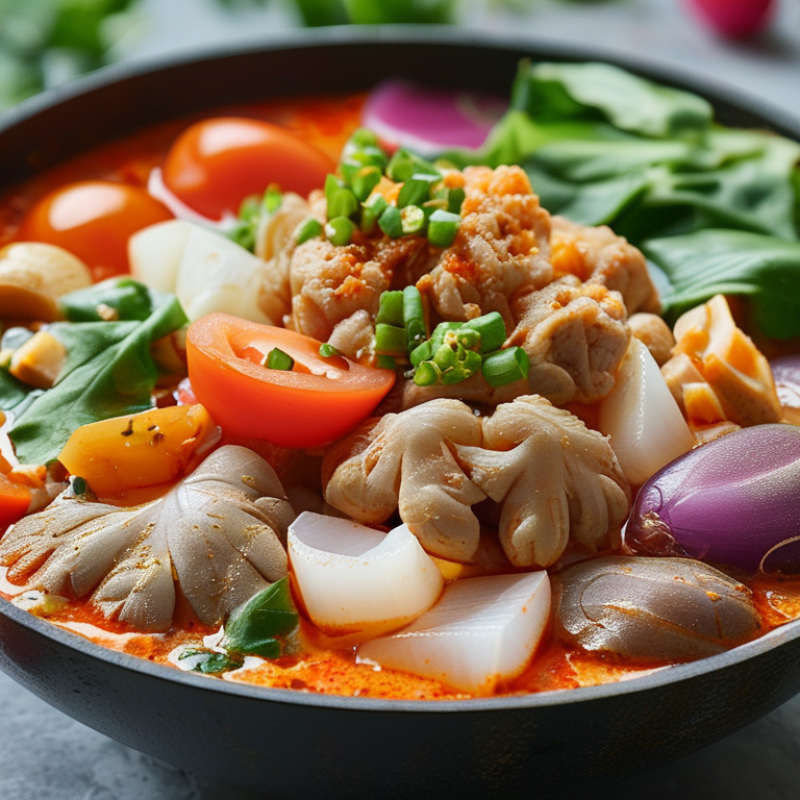
Maocai is a Sichuan-style food business built around a simmering, spicy broth. Customers select vegetables, meat, tofu, noodles, or seafood from a chilled display. Staff cook these ingredients in the broth, then serve them in one bowl. This format combines customization, fast preparation, and strong visual appeal. The eating experience feels personal, but the kitchen process can remain highly repeatable.

Its global growth comes from flexible portions and familiar service steps. A small counter can serve office workers at lunch, while a larger dining room can support groups. For overseas buyers, the most practical expansion type may be a standardized store model supported by a controlled central kitchen. Broth bases, portion guides, food-safety procedures, and staff training should stay consistent. Local teams can adjust spice levels, vegetables, and service habits within clear limits. That balance matters. Too much localization can weaken the product’s identity.

Operators should study ingredient availability, import rules, allergen labeling, and temperature control before opening. A recipe that works in one city may fail elsewhere because of supply costs or local preferences. The aroma may also be too strong for some indoor locations. A careful pilot store can reveal these problems early. Results may be slower than expected. That is useful evidence, not defeat. Reliable expansion depends on documented testing, transparent sourcing, and realistic financial planning rather than trend-based enthusiasm.

Key Maocai Expansion Models for International Buyers in 2026

2026 Best Maocai Business Expansion Type for Global Buyers?

Key Maocai Expansion Models for International Buyers in 2026

Maocai expansion should match local skills, supply chains, and dining habits. A master-franchise model offers faster coverage, but control can weaken across distant markets. Joint ventures provide stronger local knowledge. They also require clearer rules for sourcing, training, and food safety. The 2024 Global Foodservice Market report from Euromonitor International highlights continued recovery in out-of-home dining, while convenience remains a major purchase driver. Maocai can fit this demand through quick service, visible ingredients, and adjustable spice levels.

A central-kitchen model suits buyers planning several outlets. It can standardize broth, portion sizes, and allergen controls. However, imported ingredients may face higher logistics costs and changing customs requirements. A local sourcing plan is not optional. It should include approved suppliers, temperature records, and batch testing. The Food and Agriculture Organization reports that food loss remains significant across global supply chains, making shorter delivery routes commercially sensible. Small pilots help expose weak assumptions.

Shop-in-shop counters and compact kiosks offer a lower-cost test. They work well near offices, universities, and transport hubs. The GlobalData 2024 foodservice outlook identifies convenience and digital ordering as important growth themes. Yet online demand may exaggerate real customer loyalty. Buyers should measure repeat visits, preparation time, waste, and complaint rates for at least twelve weeks. Some markets may reject heavy spice or communal eating. That is not failure, but useful evidence.

How to Compare Maocai Franchises, Licenses, and Partnership Options

For global buyers, comparing maocai expansion options starts with control, not excitement.

A franchise usually offers a tested operating model, training, recipes, procurement guidance, and visual standards. In return, the buyer pays fees and accepts tighter rules. This can reduce early mistakes, but it may limit local adaptation. Check territory rights, performance targets, supplier approval, renewal terms, and termination clauses. Small details matter.

A license normally grants permission to use defined intellectual property or operating materials. It may provide more freedom than a franchise, yet less practical support. Ask what is included: brand assets, manuals, staff training, quality audits, or site guidance. A low entry fee can hide expensive setup work. Partnership structures vary widely. One side may provide capital, while the other contributes kitchen expertise, sourcing, or local management. Put decision rights, profit distribution, reporting duties, and exit terms in writing. Verbal trust is not a control system.

Before signing, build a three-year model using rent, labor, ingredients, delivery, taxes, currency changes, and marketing costs. Test a weak-sales scenario. Speak with current or former operators where appropriate. Review food safety obligations and import rules with qualified local advisers. I would not choose the cheapest route automatically. My comparison would score support, flexibility, transparency, and recovery options. No model is perfect. Partnerships can drift, while franchises can become rigid. That possibility deserves attention before money moves.

Operational Requirements for Launching a Maocai Business Overseas

2026 Best Maocai Business Expansion Type for Global Buyers?

For global buyers, a compact, standardized kitchen with several sales points is often practical. It reduces dining-room investment and simplifies broth, portioning, and hygiene control. Overseas operations begin with local permission, not a menu. Buyers must verify business registration, food premises approval, fire safety, ventilation, water quality, allergen disclosure, and waste collection rules. Requirements can differ sharply between cities.

Codex Alimentarius recommends hazard-based food safety controls throughout preparation and service. A workable maocai kitchen needs supplier records, batch identification, calibrated thermometer checks, cleaning schedules, and staff training. Cold storage logs should show receiving time, product temperature, and disposal decisions. FAO reports that 13.2% of food is lost between harvest and retail globally. UNEP’s Food Waste Index Report 2024 estimates 1.05 billion tonnes of food waste in 2022. Small portions and demand-based purchasing deserve serious attention.

A 30-day pilot can test delivery distance, peak-hour output, local spice tolerance, and waste volume. Keep the menu narrow at launch. It makes training easier. However, a narrow menu may weaken repeat visits in markets seeking variety. That risk needs measurement, not optimism. Buyers should review permits with local professionals and document every operating assumption before opening.

How to Select the Best Maocai Expansion Type for Your Target Market

Selecting the right maocai expansion type starts with the target market, not the menu. Maocai is a customizable, broth-based meal, so customers expect speed, variety, and visible freshness. The IMARC Group estimated the global cloud kitchen market at about US$58 billion in 2023, with strong growth expected through 2032. This supports delivery-led models, but market fit still matters more than growth forecasts.

A compact takeaway store suits dense cities with high lunch traffic and limited dining space. A central-kitchen model works better when several outlets share stable ingredient supply and trained production. For markets with weaker cold-chain coverage, a full-service restaurant may be safer than shipping complex semi-finished products. Check delivery radius, labor costs, import rules, allergen labeling, and local spice preferences before choosing. Small pilot stores help.

According to USDA Foreign Agricultural Service retail-food reports, online grocery and food delivery continue expanding across major urban markets. Yet these reports also show uneven infrastructure between regions. That gap can change the best expansion choice. I would test three menus, two portion sizes, and one pricing range before committing. A spreadsheet may look convincing. Reality can disagree. Use food-cost records, repeat-purchase rates, preparation time, and customer feedback from at least eight weeks of operation. The best model is usually the one that stays consistent during a busy evening, not the one with the lowest opening cost.

2026 Best Maocai Business Expansion Type for Global Buyers? — How to Select the Best Maocai Expansion Type for Your Target Market
Expansion Type Operating Structure Initial Capital Intensity Speed to Market Brand & Quality Control Local Adaptation Supply-Chain Complexity Regulatory Exposure Best-Fit Target Market Overall Fit Score
Direct-Owned Flagship Store The buyer owns and operates the outlet, including staffing, procurement, food safety, pricing and customer experience. High Medium Very High High Medium High Large cities with strong purchasing power, reliable management teams and sufficient capital for market testing. Best for control
Single-Unit Franchise A local operator invests in and manages one Maocai outlet under documented operating, training and food-safety standards. Medium Fast Medium–High High Medium Medium Markets with experienced restaurant operators, commercial landlords and established local delivery platforms. Best balanced option
Area or Master Franchise A qualified regional partner receives development rights for multiple outlets and is responsible for local recruitment, training and rollout. Low–Medium Very Fast Medium Very High High Medium–High Large territories where the partner has multi-site restaurant experience, local compliance knowledge and distribution capability. Best for rapid scale
Joint Venture The international buyer and a local partner share investment, governance, operational responsibilities, risk and returns. Medium–High Medium High Very High Medium–High High Markets with complex ownership rules, specialized permits or a need for strong local relationships and infrastructure. Best for complex markets
Food-Court or Compact Kiosk A smaller-format outlet operates in a shopping centre, transport hub, campus or mixed-use venue with a reduced menu and footprint. Low–Medium Fast High Medium Low–Medium Medium Dense urban areas with high foot traffic, limited restaurant space and demand for quick-service meals. Best for pilot testing
Central-Kitchen Delivery Model A central preparation facility supplies one or more delivery-only kitchens, reducing front-of-house requirements. Medium Fast High Medium Medium–High Medium–High Markets with strong online food-ordering adoption, concentrated delivery zones and access to certified commercial kitchens. Best for delivery-led demand
Packaged Retail or Ready-to-Cook Line Maocai ingredients, soup bases or ready-to-cook meal kits are sold through retail, e-commerce or food-service distributors. Low–Medium Medium Medium High High High Markets with developed cold-chain or ambient distribution, clear labelling rules and demand for convenient home preparation. Best for retail reach
Selection guide: Choose the expansion type by matching capital availability, desired control, partner capability, market-entry speed, food-safety requirements, distribution infrastructure and consumer demand. Scores are comparative planning indicators rather than financial forecasts; actual results depend on local rent, labour, taxes, permits, logistics and purchasing power.
Contact Us